
Isolation
At Home
What is it
Home isolation means a person must stay at home and can’t go to public places (like the COOP or community centre). The person also can’t have people visit them at home or visit at other people’s houses.
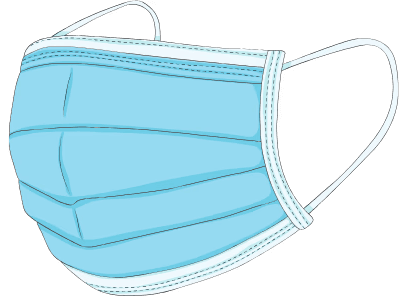 | People in isolation still come to the clinic for pills or testing and should wear a medical mask in the clinic. |
A home isolation can be recommended when:
The person doesn’t need hospital care for their TB sickness.
The person agrees to share their TB diagnosis with their household.
The person agrees to the treatment plan.
The person and their household agree to respect the isolation plan.
The TB Team at the local CLSC can offer the necessary support to the person during their home isolation.
Because the home isolation is usually less disruptive to the person’s life, the TB Team will try to make a home isolation possible.
*A person’s household should be included in talks about an at home isolation because it impacts them as well!*
Isolation at home can be difficult because a person will need support in getting food and other basic supplies. People have also said that isolation can be lonely or boring and that it’s difficult to say no to visitors. |  |
|---|
People isolating at home are encouraged to:
Sleep in a room alone (if possible).
Wear a medical mask when near vulnerable members of the household (like children under 5 or people who have a weaker immune system).
Open the windows to refresh the air in their home (even for a short time, a few times a day).
Ask friends or family to help get supplies (food).
Enjoy outdoor activities while keeping some distance from other people.
People in isolating at home should not:
Go to work, school, or daycare.
Go into indoor public places (no community centre, COOP/Northern, church).
Go to other people’s houses or shacks.
Have visitors over to their house.
Travel to other communities.
Example conversation with someone who is about to start isolation at home:
Reassure
We might have talked about this a little bit, but isolation is usually needed for anyone who is diagnosed with Active TB. This is because with Active TB, the TB Germ can be spread to other people.
The doctor and nurses think that a home isolation is a good option for you because TB is not causing the kind of disease in your body that needs all-day monitoring - like at the hospital.
What/Why
Home isolations last for 14 days in most situations but it could be longer.
The decision to isolate at home involves what you think is best and what is best for the people you live with as well. Do you feel comfortable with them knowing you have TB?
I’ll explain a bit more about home isolation, but you can ask me any questions anytime.
So, during your isolation, you’re not allowed to go to anyone’s house or shack or any other indoor public place, like the COOP or your work. No one is allowed to visit your house. That includes anyone coming to visit someone else in your house.
Basically, you can only be at your house, be at the clinic (to get your pills or have tests) or be outdoors for activities like hunting or berry picking (if you have the energy).
Mask
When you’re in isolation, anytime you come to the clinic for your pills or testing, you will need to wear a medical mask.
Identifying Supports
Other people who have isolated at home have said it can be tough to find someone who can get you groceries and supplies. Can you think of someone who could do that for you?
You also won’t be able to work during that time. Is there help we can offer, like writing a letter to your work?
Is it possible for you at home to sleep alone in a room? What about opening the windows sometimes to change the air?
Seeing People & Activities
After the nurse says your isolation is over, you are not contagious so you can go back to normal activities if you’re feeling good and have the energy. That means no mask and no worries about talking and breathing around other people.
Wow. That was a lot. What questions do you have for me or the nurse?