
For PHOs
Health and Safety
Physical Safety
Don't do or say anything that you are not comfortable with or that might put you in danger. Even though rare, there can be some risks in the PHO's job.
Risks for harm involving another person (ex: patient or co-worker) could be physical, verbal, or emotional.
It's important to remember that there could be a possibility of hurting yourself in 'accidents' like lifting heavy boxes.
If you are worried about a situation, it's best to remove yourself from any possible danger and get help from another team member.
TB & Health Safety
Hand Washing
You should wash your hands:
Before seeing a patient (if the care will involve touching the person).
After handling a patient's sample.
After seeing each patient.
Washing your hands is a good practice for anyone working at the CLSC to protect their own health and the health of the people around them.
Masks
There are 2 kinds of masks that are used at different times:
Medical Mask | N95 Mask |
|---|---|
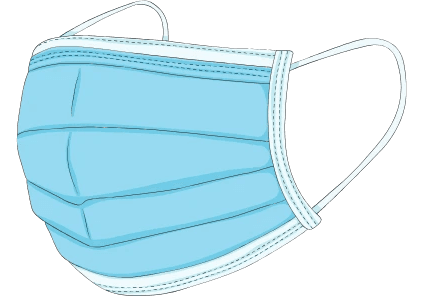 | 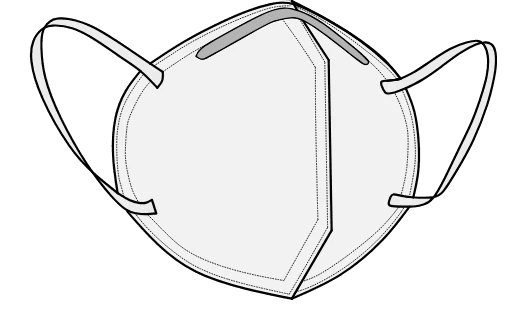 |
Medical Mask should be worn by: | N95 Mask should be worn by: 1. PHOs, nurses or other care providers to protect them from breathing in any germs from the air. |
Better for stopping germs from getting into the air! | Better for protecting the person wearing the mask from breathing in any germs in the air! |
When visiting or caring for a person who is contagious with TB or who is coughing a lot (even if TB hasn't been confirmed), the PHO should wear an N95 mask and the person should wear a medical mask.
As the PHO, it is best to use an N95 mask that fits your face. This helps make sure you are protected from breathing in the germs. There is a specific test to find out the best mask for your face. This is called a "fit-test". Ask someone on the TB team to see when you can get your N95 mask fit-test.
Ventilation
Some CLSCs have special rooms that have high powered machines designed to filter air. We call these ventilation rooms or negative pressure rooms.
When to use the ventilation room?
For a person doing a spit test.
If you are talking to or offering care to someone who is contagious with TB.
Each CLSC is a little different - it's good to check with the TB team to see if you have a ventilation room.
Gloves
You should wear gloves:
When touching someone's spit test sample.
When cleaning the ventilation room or spit test equipment.
Are You Concerned You Have TB?
If you have some symptoms and think it might be TB, talk to the TB nurse or doctor and you can all decide what's the best path forward.
It could happen that you're visiting or caring for a person who has a health condition that is not TB but needs gloves or other PPE. The nurse will let you know.