
Screening
Screening
Meeting Checklists
All Meeting Goals | |
|---|---|
Contact Accept Meeting | Community Accept Meeting |
Improve the person’s understanding of what screening is. | Improve the person’s understanding of what screening is. |
Talk through questions, concerns, and fears. | Talk through questions, concerns, and fears. |
Talk through the benefits of getting screened. | Talk through the benefits of getting screened. |
Maintain a positive relationship with the person. | Maintain a positive relationship with the person. |

Accept Screening
Contact Person Meeting | ||
|---|---|---|
Improve the person’s understanding of what screening is. | To support the person in making the best decision for them, including their right to refuse. | |
Talk through questions, concerns, and fears. | To identify specific questions, concerns, and fears that may impact the person’s decision. | |
Talk through the benefits of getting screened. | To encourage the person to accept screening. | |
Maintain a positive relationship with the person. | To start from a good place if we need to contact the person for future TB investigation. | |

✔ | Choose a meeting spot. | ||||
|---|---|---|---|---|---|
✔ | Read through the Checklist below. | ||||
✔ | Read TB Information Guide as needed. | ||||
✔ |
| ||||
✔ | Mentally prepare to listen and speak with the person. | ||||
| |||||
Click to show! 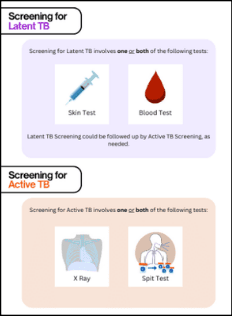 | Click to show! 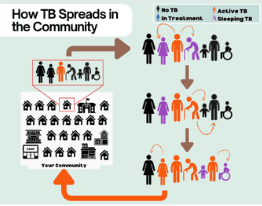 | Click to show! 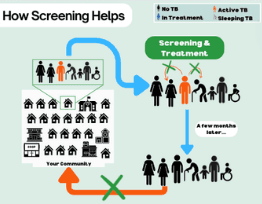 | |||

1. | Introduce yourself as the PHO and that you’re there to support the person.
| |||
|---|---|---|---|---|
2. | Explain what screening is.
| | ||
3. | Identify the benefits of screening.
| | ||
4. | Identify concerns and fears about TB or testing. Offer them reassurance.
| |||
5. | Determine if the person would like to get tested for TB.
| |||
 | ||||
Says YES. | Says NO. It’s not a personal failure if they decide not to accept screening! | |||
6. | Determine with the person and the nurse when the screening will happen.
| Thank the person for their honesty.
| ||
7. | Remind the person the clinic may contact them again if there are concerns about TB. | |||
8. | Remind the person if they have TB symptoms, they can always come and see a TB nurse. | |||
Accept Screening
Community Screening Meeting | ||
|---|---|---|
Improve the person’s understanding of what screening is. | To support the person in making the best decision for them, including their right to refuse. | |
Talk through questions, concerns, and fears. | To identify specific questions, concerns, and fears that may impact the person’s decision. | |
Talk through the benefits of getting screened. | To encourage the person to accept screening. | |
Maintain a positive relationship with the person. | To start from a good place if we need to contact the person for future TB investigation. | |
✔ | Choose a meeting spot. | ||||
|---|---|---|---|---|---|
✔ | Read through the Checklist below. | ||||
✔ | Read TB Information Guide as needed. | ||||
✔ |
| ||||
✔ | Mentally prepare to listen and speak with the person. | ||||
| |||||
Click to show! | Click to show! | Click to show! | |||
1. | Introduce yourself as the PHO and that you’re there to support the person.
| |||
|---|---|---|---|---|
2. | Explain what screening is.
| | ||
3. | Identify the benefits of screening.
| | ||
4. | Identify concerns and fears about TB or testing. Offer them reassurance.
| |||
5. | Determine if the person would like to get tested for TB.
| |||
| ||||
Says YES. | Says NO. It’s not a personal failure if they decide not to accept screening! | |||
6. | Determine with the person and the nurse when the screening will happen.
| Thank the person for their honesty.
| ||
7. | Remind the person the clinic may contact them again if there are concerns about TB. | |||
8. | Remind the person if they have TB symptoms, they can always come and see a TB nurse. | |||
On this page